

How much does a trip to South Korea cost?
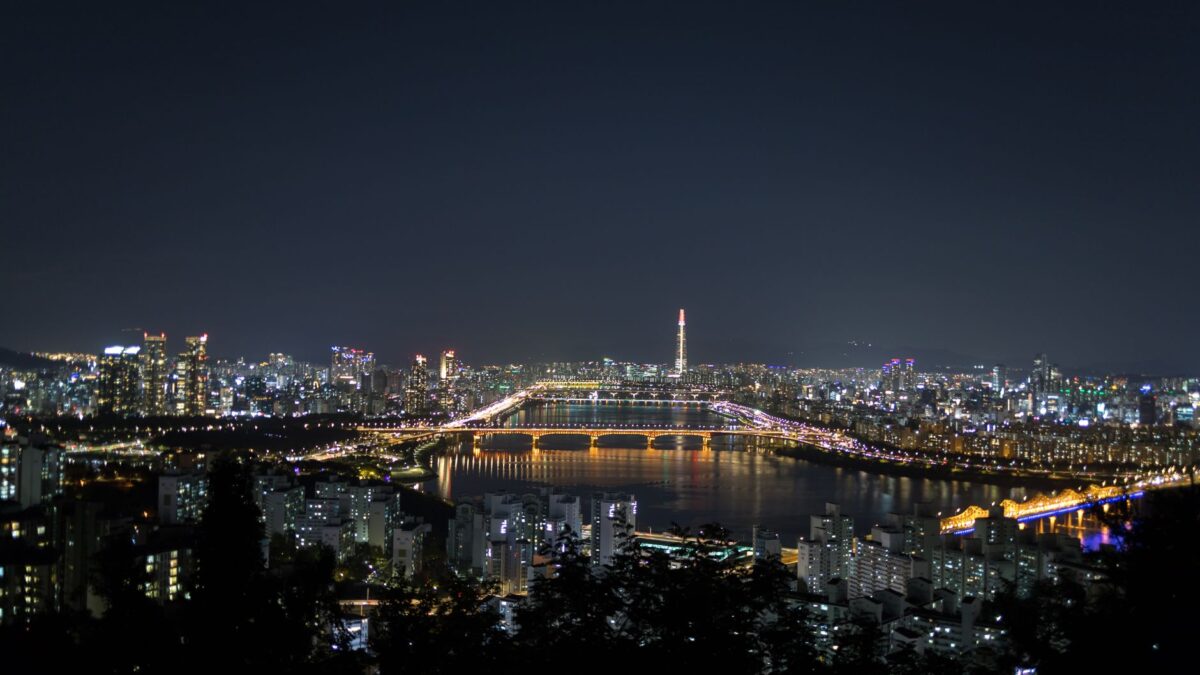
The air in Seoul at 8 PM in August is a thick, warm blanket. The forecast says 26–35°C, but the city feels like 42°C, and the only sensible thing to do is what everyone else is doing: heading to the Han River with a cold drink and a blanket, waiting for the Hangang Summer Festival’s surface-drone show to light up the sky over Yanghwa Hangang Park. It’s tropical nights like these that make you forget you’re in a megacity of 10 million — until you check your wallet and realize Seoul is no longer the budget destination it used to be. As a local who’s watched rents and hotel rates climb to record highs in 2025 and 2026, I’ll give you the realistic breakdown of what a trip here actually costs, in won and in the dollars you’ll be spending.
The Big Numbers: What’s Changed in Seoul
Before we dive into daily totals, know this: Seoul’s prices have been climbing sharply. The average one-room studio rent hit a record ₩640,000–730,000 a month in late 2025, and hotel rooms are pricier than ever — Seoul–Incheon’s average daily rate touched nearly ₩300,000 in September 2025, though you’ll find mid-range options around ₩150,000–300,000. Public transit also got a haircut in June 2025: the subway base fare is now about ₩1,550 on a transit card (₩1,650 for single tickets), and city buses run about ₩1,500. That’s still inexpensive by global standards — a single ride is just over a dollar — but it all adds up. The good news? The currency is on your side: roughly 1,363 won per US dollar, so your money still goes further than it would in Tokyo or Paris.
Budget Traveler: ₩80,000–120,000 a Day (≈ $60–90)
You can absolutely see Seoul without emptying your savings, but you’ll need to be smart. Start with accommodation: skip the hotels and book a hostel or a jjimjilbang (Korean sauna) for around ₩25,000–40,000 a night. Alternatively, look for a guesthouse in Hongdae or Seongsu-dong — those neighborhoods have cheap dorm beds and a vibe that’s worth the trade-off. For food, eat like a local: grab a mayak gimbap (addictive mini seaweed rice rolls) at Gwangjang Market for under ₩5,000, or a steaming bowl of naengmyeon (cold noodles – perfect for the heat) for about ₩8,000–10,000. Street food like bindaetteok (mung bean pancakes) at the same market will run you ₩4,000–7,000. Dinner at a casual pojangmacha (tent bar) in Jongno or a late-night spot in Hongdae can keep you under ₩15,000. Transport is your cheapest ally: the Seoul Climate Card (기후동행카드) is an unlimited pass for 5,000 KRW for 1 day and 62,000 KRW for 30 days — ideal for a week of heavy riding. A single T-money card costs ₩3,000 to buy, and you can top it up at any GS25 or CU. For attractions, prioritize the free and iconic: Gyeongbokgung Palace has a free entry if you rent a hanbok nearby (rentals start around ₩10,000–20,000 for the day), and the National Museum of Korea is always free. The N Seoul Tower cable car and observatory will cost you about ₩14,000–21,000, but you can skip it and hike Namsan for free — the view is just as good. Daily total: ₩80,000–120,000 (≈ $60–90) covers a hostel, three meals, transit, and one paid activity a day.
Mid-Range Comfort: ₩150,000–250,000 a Day (≈ $110–185)
If you want a private room, air conditioning, and the luxury of not counting every won, the mid-range tier is where most travelers land. A double room in a solid hotel in Hongdae or near Myeongdong will set you back about ₩100,000–150,000 a night — think places like the Golden Seoul Hotel or The Riverside Hotel, which are comfortable and well-located but not flashy. For food, add quality: a proper Korean BBQ dinner for two in Gangnam or Jongno will cost around ₩30,000–50,000 per person, and you should splurge on a hanjeongsik (traditional full-course meal) at a spot like CHAEUM KOREAN TRADITIONAL RESTAURANT for about ₩40,000–60,000. Lunch can be a hearty tteokbokki or bibimbap at a market for ₩8,000–12,000, and coffee at a hip café like Onion Seongsu (the famous warehouse spot) is about ₩5,000–7,000. Attractions: the Lotte World Tower Seoul Sky observatory is around ₩27,000–31,000, and a visit to the War Memorial of Korea is free but a taxi there from central Seoul is ₩5,000–8,000. For a special evening, book a Han River Night+Camping overnight tent at Yeouido Han River Park — it’s about ₩30,000–50,000 for a lot, and you can bring your own tent or rent one. Daily total: ₩150,000–250,000 (≈ $110–185) gives you a private room, better meals, and a couple of paid attractions.
Comfortable and Luxurious: ₩300,000–500,000+ a Day (≈ $220–370)
This is where Seoul can get as pricey as any global capital. A night in a four-star hotel near Gangnam or Hannam-dong will run you about ₩250,000–350,000 — and given the tourist boom, expect the average to hover near ₩296,000. For dinner, you’re looking at Michelin-starred or high-end modern Korean spots like Hangong-Gan (set menus from ₩80,000) or a fine dining experience in Itaewon for ₩100,000+. Your transport can be private: taxis are cheap, with a short ride costing ₩5,000–8,000, and you can use the Kakao T app for official cars. Attractions become premium: private tours to Bukhansan National Park (with a guide) cost ₩200,000–300,000, and a VIP ticket to a K-pop show at a Gangnam venue will set you back ₩150,000+. For relaxation, book a spa day at a luxury jjimjilbang in Gangnam — about ₩50,000–80,000. Daily total: ₩300,000–500,000 (≈ $220–370) for luxury hotels, fine dining, and premium experiences.
Transport and Getting Around: The Hidden Costs
Beyond the daily totals, you need to plan for airport transfers and the odd taxi. Incheon Airport to Seoul is about ₩15,000–20,000 by AREX commuter train (the express is a bit more) or ₩50,000–80,000 by taxi. Within the city, the T-money card is your best friend — but remember to tap off when you leave a bus or subway to get the 30-minute transfer discounts. The Seoul Climate Card (unlimited pass) excludes the Shinbundang Line (which goes to Gangnam) and GTX, so if you’re staying in Gangnam, factor in a few extra ₩1,550 rides. Taxis are cheap for short hops, but avoid unlicensed touts in Itaewon or Hongdae with the late-night club crowd — stick to official Kakao T taxis.
Free and Nearly-Free August Gems
August is a tricky time to visit because of the heat — the city issued its first extreme-heat alert on August 4, halting outdoor construction and cancelling events around Seoul Plaza. But that doesn’t mean you’re stuck indoors. The ‘2026 Seoul Summer Beach’ turns Gwanghwamun Square into a water-play festival with pools, slides, and food trucks (through August 9), and it’s free. The Hangang Summer Festival runs across nine parks until August 16, with midnight film screenings under the bridges at Banpo and Yeouido — also free. And from August 6, the Seoul Forest International Art Festa opens at Under Stand Avenue, with installations that you can stroll through in the evening when the heat breaks. Just remember to hydrate, wear sunscreen, and check the forecast — these tropical nights are perfect for outdoor concerts, but the days are brutal.
Practical Money-Saving Tips for Your Trip
First, get a prepaid SIM or eSIM from SK Telecom, KT, or LG U+ at Incheon Airport arrivals — you’ll need a Korean phone number to open a bank account or even to verify apps like Kakao. If you’re staying over 90 days, you’ll need to register for a Residence Card (Alien Registration Card) — budget ₩30,000 for the revenue stamp and plan to go to the Seoul Immigration Office in Mok-dong. For short stays, you can skip that. Second, use the 1330 Korea Travel Hotline (free, 24-hours) for any travel questions — they speak English. Third, don’t rely on credit cards everywhere; while Seoul is app-native and cashless, some market stalls and buses prefer T-money or card. Finally, remember that the K-ETA is temporarily exempt through Dec 31, 2026, but you must file the free e-Arrival Card up to 3 days before landing.
So, how much does a trip to South Korea cost? In 2026, a realistic budget traveler can do Seoul for about ₩80,000–120,000 a day (≈ $60–90), a mid-range traveler for ₩150,000–250,000 (≈ $110–185), and a comfortable traveler for ₩300,000+ (≈ $220+). Add a few extra hundred for flights, and you’ll have a trip that’s affordable, memorable, and full of cold noodles.
Frequently asked questions
Is Seoul expensive to visit in 2026?
Seoul has gotten pricier, but it's still affordable compared to Tokyo or Paris. A budget traveler can spend about ₩80,000–120,000 a day (≈ $60–90), while a mid-range traveler needs ₩150,000–250,000 (≈ $110–185).
What's the daily budget for a trip to South Korea?
Depends on your style: budget around ₩80,000–120,000 (hostels, street food, public transit), mid-range ₩150,000–250,000 (private room, casual restaurants), or comfortable ₩300,000+ (4-star hotels, fine dining).
How much does public transport cost in Seoul?
A single subway ride costs about ₩1,550 on a T-money card (₩1,650 for single tickets), and city buses are about ₩1,500. Consider the Seoul Climate Card (₩5,000 for 1 day, ₩62,000 for 30 days) for unlimited rides.
Do I need to tip in Seoul?
No, tipping is not customary in South Korea. It can even be considered rude in some places. Just pay the bill, and you're good.
What are the entry requirements for US citizens visiting South Korea?
US citizens can visit visa-free for up to 90 days. K-ETA is temporarily exempt through Dec 31, 2026, but you must complete the free e-Arrival Card (e-arrivalcard.go.kr) within 3 days before landing.