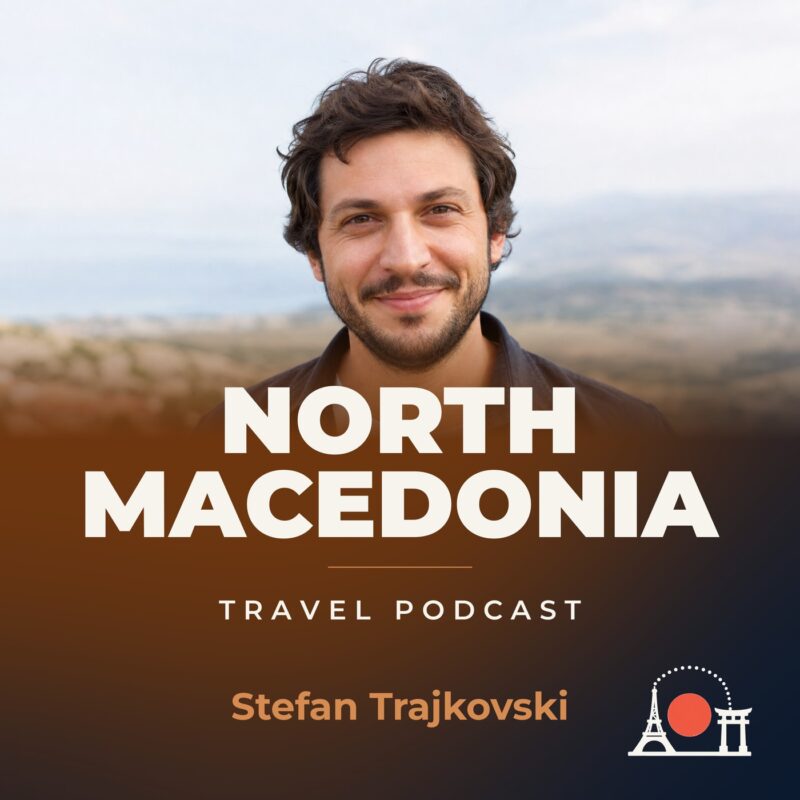
North Macedonia Travel Podcast with Stefan Trajkovski
Hosted by Stefan Trajkovski — a new episode every day from North Macedonia.
This podcast follows Stefan Trajkovski as he gets to know North Macedonia the way a resident would, settling in one place and learning it before moving on. Travelling here means moving through a landlocked country of mountains, deep basins, and three large lakes that all sit on a frontier line.
The range covers Skopje, the capital of 611,000 people; Ohrid and its lake; Bitola, with its Ottoman-era boulevard; and Kratovo, a former mining town in the east. He also follows the Vardar River, which bisects the country and ties these places together. Moving across the mountainous terrain is part of the point.
The show unfolds across seasons, with winter snow closing high roads and summer heat drying the basins. Stefan returns to the same places months later, noticing what changes and what stays the same. Knowing North Macedonia properly takes that repetition, not a quick circuit. Every visit builds on the last.
Recent episodes
Things to do in North Macedonia
 Likely to sell out
A Day from Skopje to Pristina and Prizren, Kosovo, opt. Kukes Alb
Likely to sell out
A Day from Skopje to Pristina and Prizren, Kosovo, opt. Kukes Alb
 S&S Winery - Wine Tasting Experience in Ohrid
 Ohrid cooking classes
 Discover Ohrid Old Town Through the Eyes of a Local
 Six course dinner & Macedonian wine pairing at Dropstop Gastrobar
 Full-Day Private Best of Ohrid and Lake Ohrid Tour
 Skopje Wine Tasting Experience – Wines by Zaharchev Winery
 Skopje Street Food with Burek, Ajvar & Kebapi, The Local Way
Plan your trip to North Macedonia
Getting around
Staying connected
North Macedonia at a glance
North Macedonia in depth
Reference data on the country — geography, people, history, economy and transport.
Geography and climate
Location
Southeastern Europe, north of Greece
Terrain
Mountainous with deep basins and valleys; three large lakes, each divided by a frontier line; country bisected by the Vardar River
Climate
Warm, dry summers and autumns; relatively cold winters with heavy snowfall
Elevation
- Highest point
- Golem Korab (Maja e Korabit) 2,764 m
- Lowest point
- Vardar River 50 m
- Mean elevation
- 741 m
Area
- Total
- 25,713 sq km
- Land
- 25,433 sq km
- Water
- 280 sq km
Size comparison
Slightly larger than Vermont; almost four times the size of Delaware
Coastline
0 km (landlocked)
Land borders
- Total
- 838 km
- Border countries
- Albania 181 km; Bulgaria 162 km; Greece 234 km; Kosovo 160 km; Serbia 101 km
Natural resources
Low-grade iron ore, copper, lead, zinc, chromite, manganese, nickel, tungsten, gold, silver, asbestos, gypsum, timber, arable land
Land use
- Agricultural land
- 49.6% (2023 est.)
- Arable land
- 16.5% (2023 est.)
- Permanent crops
- 1.6% (2023 est.)
- Permanent pasture
- 31.5% (2023 est.)
- Forest
- 40.9% (2023 est.)
- Other
- 9.5% (2023 est.)
Natural hazards
High seismic risks
Note
Landlocked; major transportation corridor from Western and Central Europe to Aegean Sea and Southern Europe to Western Europe
People and society
Population
- Total
- 2,137,556 (2025 est.)
- Male
- 1,065,634
- Female
- 1,071,922
Nationality
- Noun
- Macedonian(s)
- Adjective
- Macedonian
Ethnic groups
Macedonian 58.4%, Albanian 24.3%, Turkish 3.9%, Romani 2.5%, Serb 1.3%, other 2.3%, no ethnic affiliation data available 7.2% (2021 est.)
Languages
- Languages
- Macedonian (official) 61.4%, Albanian (official) 24.3%, Turkish 3.4%, Romani 1.7%, other (includes Aromanian (Vlach) and Bosnian) 2%, unspecified 7.2% (2021 est.)
- Major-language sample(s)
- Книга на Светски Факти, неопходен извор на основни информации. (Macedonian)
Religions
Orthodox 46.1%, Islam 32.2%, Christian 13.2%, Other 7.2%; less than 1%: atheist, Catholic, other religions, not specified, Protestant (2021 est.)
Median age
- Total
- 40.9 years (2025 est.)
- Male
- 39.4 years
- Female
- 41.6 years
Life expectancy
- Total population
- 77.3 years (2024 est.)
- Male
- 75.3 years
- Female
- 79.6 years
Urbanisation
- Urban population
- 59.5% of total population (2023)
- Rate of urbanization
- 0.61% annual rate of change (2020-25 est.)
Where people live
A fairly even distribution throughout most of the country, with urban areas attracting larger and denser populations
Largest cities
611,000 SKOPJE (capital) (2023)
Background and government
Background
North Macedonia gained its independence peacefully from Yugoslavia in 1991 under the name of "Macedonia." Greece objected to the new country’s name, insisting it implied territorial pretensions to the northern Greek province of Macedonia, and democratic backsliding for several years stalled North Macedonia's movement toward Euro-Atlantic integration. Immediately after Macedonia declared independence, Greece sought to block its efforts to gain UN membership if the name "Macedonia" was used. The country was eventually admitted to the UN in 1993 as "The former Yugoslav Republic of Macedonia," and at the same time it agreed to UN-sponsored negotiations on the name dispute. In 1995, Greece lifted a 20-month trade embargo and the two countries agreed to normalize relations, but the issue of the name remained unresolved amid ongoing negotiations. As an interim measure, the US and over 130 other nations recognized Macedonia by its constitutional name, Republic of Macedonia.
Ethnic Albanian grievances over perceived political and economic inequities escalated into an armed conflict in 2001 that eventually led to the internationally brokered Ohrid Framework Agreement, which ended the fighting and established guidelines for constitutional amendments and new laws that enhanced the rights of minorities. In 2018, the government adopted a new law on languages, which elevated the Albanian language to an official language at the national level and kept the Macedonian language as the sole official language in international relations, but ties between ethnic Macedonians and ethnic Albanians remain complicated.
In 2018, Macedonia and Greece signed the Prespa Agreement whereby Macedonia agreed to change its name to North Macedonia, and the agreement went in to force on 12 February 2019. North Macedonia joined NATO in 2020 after amending its constitution as agreed and opened EU accession talks in 2022 after a two-year veto by Bulgaria over identity, language, and historical disputes. The 2014 legislative and presidential election triggered a political crisis that lasted almost three years and escalated in 2015 when the opposition party began releasing wiretapped material revealing alleged widespread government corruption and abuse. The country still faces challenges, including fully implementing reforms to overcome years of democratic backsliding, stimulating economic growth and development, and fighting organized crime and corruption.
Government
Parliamentary republic
Capital
Skopje
Time zone
UTC+1 (6 hours ahead of Washington, DC, during Standard Time)
Local name
Republika Severna Makedonija
Independence
8 September 1991 (referendum endorsed independence from Yugoslavia)
National day
Independence Day, 8 September (1991), also known as National Day
Economy and cost of living
Overview
Upper-middle-income European economy; GDP growth driven by private consumption, public infrastructure investments, and wage growth; stalled progress on EU accession; public debt rising due to high pensions, wages, and interest payments; structural challenges of emigration, low productivity growth, and governance
GDP per capita
- Real GDP per capita 2024
- $24,500 (2024 est.)
- Real GDP per capita 2023
- $23,300 (2023 est.)
- Real GDP per capita 2022
- $22,800 (2022 est.)
Inflation
- Inflation rate (consumer prices) 2024
- 3.5% (2024 est.)
- Inflation rate (consumer prices) 2023
- 9.4% (2023 est.)
- Inflation rate (consumer prices) 2022
- 14.2% (2022 est.)
Unemployment
- Unemployment rate 2024
- 13.5% (2024 est.)
- Unemployment rate 2023
- 13.2% (2023 est.)
- Unemployment rate 2022
- 14.5% (2022 est.)
Exchange rate
- Currency
- Macedonian denars (MKD) per US dollar -
- Exchange rates 2024
- 56.873 (2024 est.)
- Exchange rates 2023
- 56.947 (2023 est.)
- Exchange rates 2022
- 58.574 (2022 est.)
- Exchange rates 2021
- 52.102 (2021 est.)
- Exchange rates 2020
- 54.144 (2020 est.)
Main industries
Food processing, beverages, textiles, chemicals, iron, steel, cement, energy, pharmaceuticals, automotive parts
Agriculture
Chillies/peppers, milk, wheat, potatoes, grapes, barley, cabbages, maize, watermelons, tomatoes (2023)
Transport and connectivity
Airports
13 (2025)
Railways
Total 699 km (2020) 313 km electrified
Internet domain
.mk
Internet users
Percent of population 87% (2023 est.)
Mobile subscriptions
- Total subscriptions
- 1.98 million (2024 est.)
- Subscriptions per 100 inhabitants
- 108 (2024 est.)
Environment
Environmental issues
Air pollution from metallurgical plants, smoke from wood-burning stoves, and vehicle emissions
Fresh water
6.4 billion cubic meters (2022 est.)
Country reference figures are periodically revised. Check anything time-sensitive or safety-critical against an official source before you travel.
North Macedonia travel guides
 News & Updates
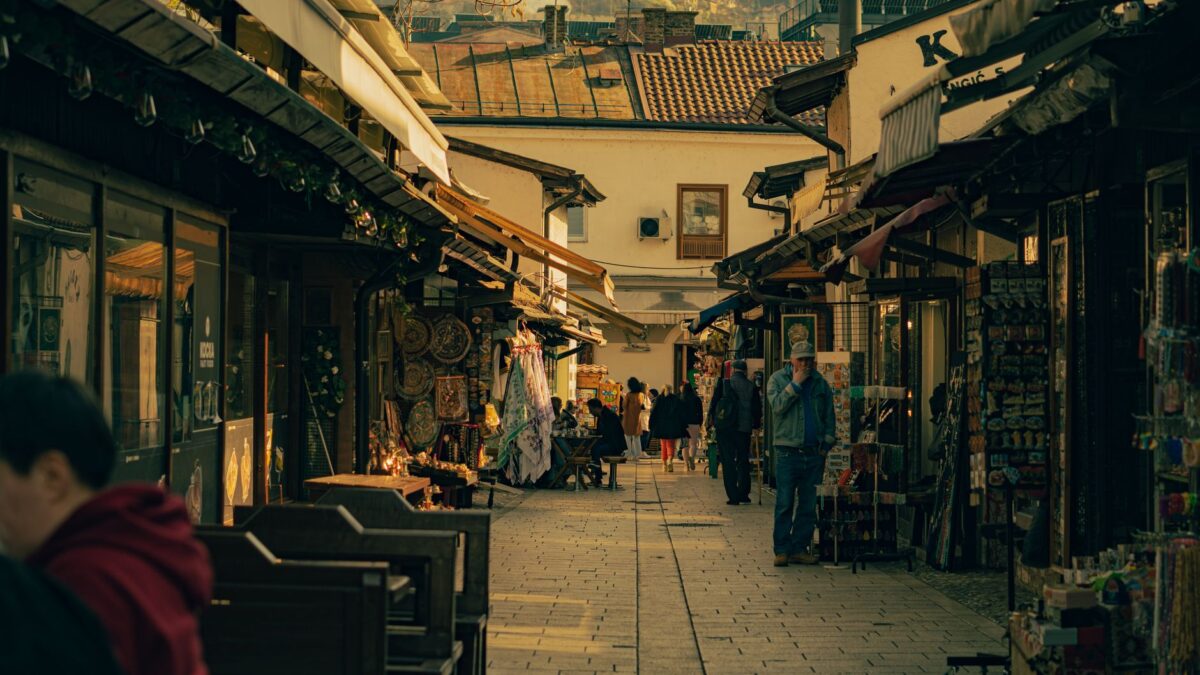
North Macedonia in September 2026: what travelers should know now
North Macedonia in September 2026: weather, festivals, transport changes, and dining costs in Skopje.
 News & Updates
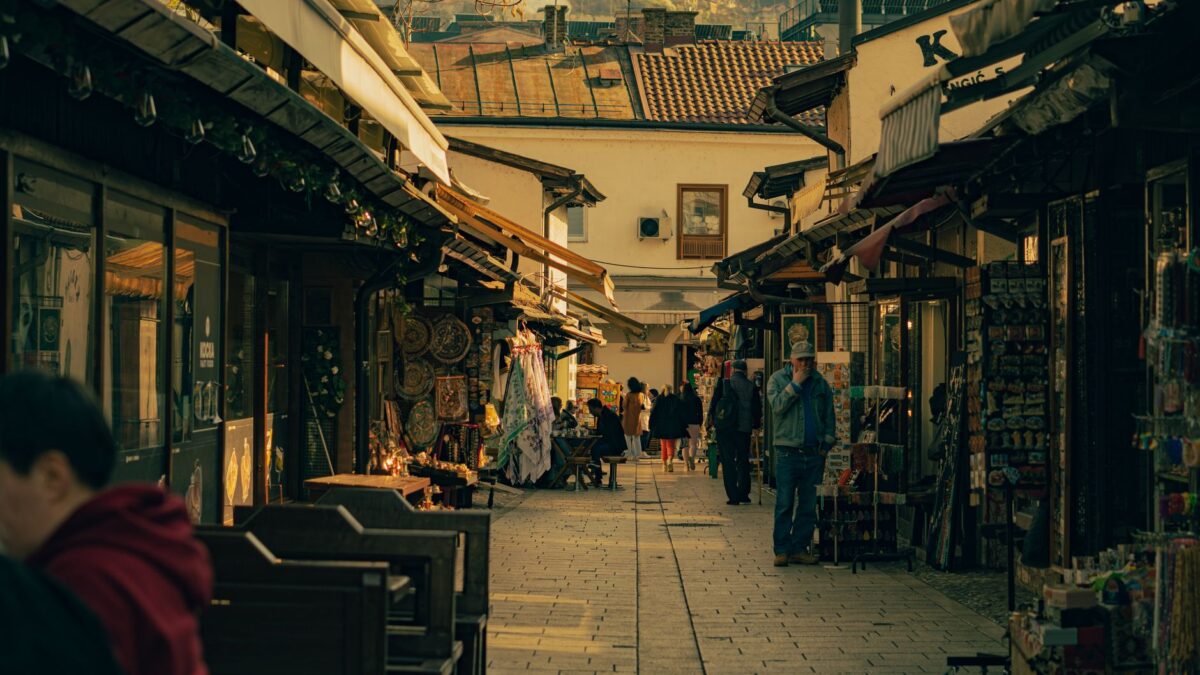
North Macedonia in August 2026: what travelers should know now
North Macedonia in August 2026: Skopje weather, Independence Day, MakeDox film festival, West Nile precautions, roadworks, and local prices—a timely travel update.
 Costs & Money
How much does a trip to North Macedonia cost?
Realistic 2026 budget for North Macedonia: daily costs in denars for Skopje — hostel to boutique, meals, transport, and attraction prices, plus local tips.
 Food & Drink
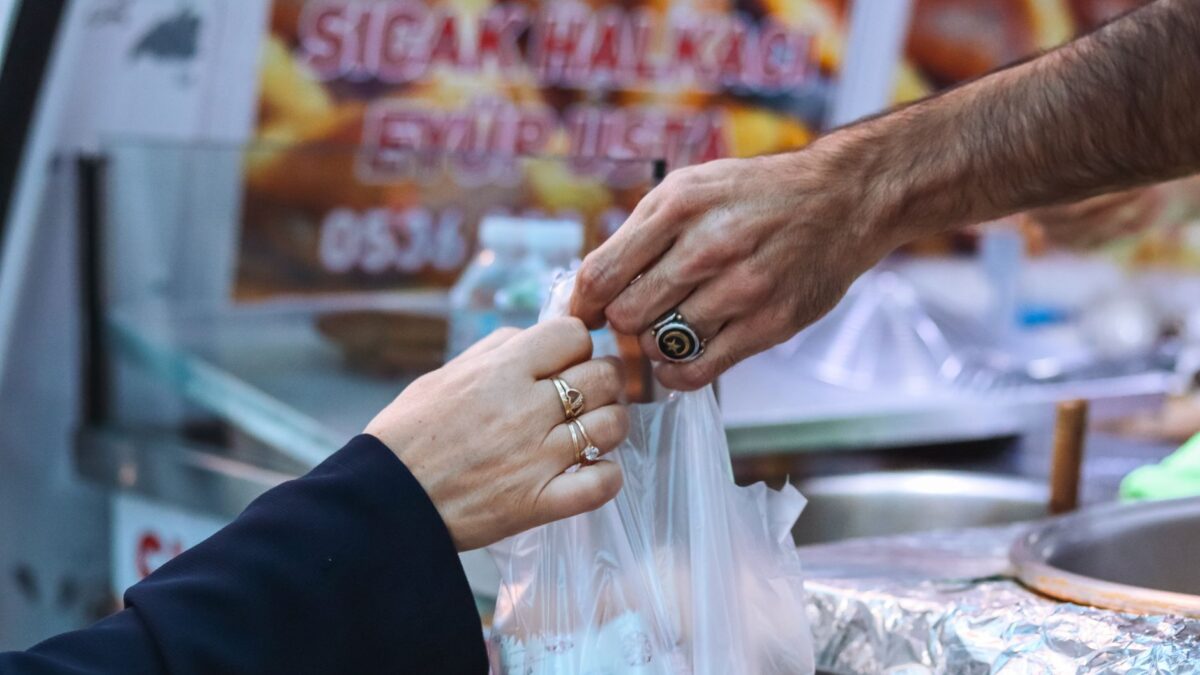
What to eat in North Macedonia — and what it costs
Discover what to eat in North Macedonia in 2026 — from burek to kebapi, with real prices in denars and where to find them…
Southern Europe
 Spain
SpainSpain Travel Podcast with Mateo Herrera
The Pyrenees run along the northern border; Madrid and Barcelona anchor Spain's largest urban settlements, and the interior summers are hot and…
 Italy
ItalyItaly Travel Podcast with Sofia Romano
The Po River Valley, with its dense population and plains, contrasts sharply with the mountainous terrain that dominates most of Italy.
 Greece
Greece Travel Podcast with Nikos Pappas
The Peloponnese is a mountainous peninsula with ranges that reach into the Aegean as island chains, while Athens holds one third of…
 Portugal
Portugal Travel Podcast with Inês Carvalho
The westward sweep of the Tagus River divides Portugal’s mountainous north from the rolling southern plains, shaping two distinct worlds in one…