

Austria Travel Podcast with Felix Gruber
Hosted by Felix Gruber — a new episode every day from Austria.
Austria is a landlocked republic at the crossroads of central Europe. The Alps dominate the west and south, while the eastern and northern margins are flatter and more densely settled. Travelling here means crossing mountain passes, following the Danube, and moving between Vienna and smaller towns in ways that make sense of the country’s shape.
The host’s route covers the obvious and the less obvious. Episodes are grounded in Vienna, the Tyrolean Alps, the Wachau section of the Danube, and Burgenland’s flat eastern plains. These four settings show how Austria changes as the Alps give way to lower ground and the climate becomes more continental.
The show unfolds slowly, the way settling in a place does. He returns to earlier locations as the seasons change, from cold winters with snow in the mountains to moderate summers with occasional showers. Over time, the listener learns Austria the way a resident would, through repeated visits and accumulated detail.
Recent episodes
Things to do in Austria
 Hallstatt from Salzburg - 6-hour private Tour
 Innsbruck Airport Transfer
 Private Tour to Wachau-Hallstatt-Salzburg
 Private tour of historical Vienna with Jan
 Vienna First Day Tour: Coffeehouse, Street Food & Local Tips
 Private Full-Day Tour of Dolomites, Alpine Lakes including Braies from Innsbruck
 The Best Paragliding Tandem Flights in Zell am See Kaprun
 Hallstatt and The Eagle's Nest
Plan your trip to Austria
Getting around
Staying connected
Austria at a glance
Austria in depth
Reference data on the country — geography, people, history, economy and transport.
Geography and climate
Location
Central Europe, north of Italy and Slovenia
Terrain
Mostly mountains (Alps) in the west and south; mostly flat or gently sloping along the eastern and northern margins
Climate
Temperate; continental, cloudy; cold winters with frequent rain and some snow in lowlands and snow in mountains; moderate summers with occasional showers
Elevation
- Highest point
- Grossglockner 3,798 m
- Lowest point
- Neusiedler See 115 m
- Mean elevation
- 910 m
Area
- Total
- 83,871 sq km
- Land
- 82,445 sq km
- Water
- 1,426 sq km
Size comparison
About the size of South Carolina; slightly more than two-thirds the size of Pennsylvania
Coastline
0 km (landlocked)
Land borders
- Total
- 2,524 km
- Border countries
- Czech Republic 402 km; Germany 801 km; Hungary 321 km; Italy 404 km; Liechtenstein 34 km; Slovakia 105 km; Slovenia 299 km; Switzerland 158 km
Natural resources
Oil, coal, lignite, timber, iron ore, copper, zinc, antimony, magnesite, tungsten, graphite, salt, hydropower
Land use
- Agricultural land
- 31.5% (2023 est.)
- Arable land
- 16% (2023 est.)
- Permanent crops
- 0.8% (2023 est.)
- Permanent pasture
- 14.7% (2023 est.)
- Forest
- 47.2% (2023 est.)
- Other
- 20.9% (2023 est.)
Natural hazards
Landslides; avalanches; earthquakes
Note
Note 1: landlocked; strategic location at the crossroads of central Europe with many easily traversable Alpine passes and valleys; major river is the Danube; population is concentrated on eastern lowlands because of steep slopes, poor soils, and low temperatures elsewhere
Note 2: the world's largest and longest ice cave system at 42 km (26 mi) is the Eisriesenwelt (Ice Giants World) inside the Hochkogel mountain near Werfen, about 40 km south of Salzburg; ice caves are bedrock caves that contain year-round ice formations; they differ from glacial caves, which are transient and are formed by melting ice and flowing water within and under glaciers
People and society
Population
- Total
- 9,174,390 (2025 est.)
- Male
- 4,471,802
- Female
- 4,702,588
Nationality
- Noun
- Austrian(s)
- Adjective
- Austrian
Ethnic groups
Austrian 80.8%, German 2.6%, Bosnian and Herzegovinian 1.9%, Turkish 1.8%, Serbian 1.6%, Romanian 1.3%, other 10% (2018 est.)
Languages
- Languages
- German (official nationwide) 88.6%, Turkish 2.3%, Serbian 2.2%, Croatian (official in Burgenland) 1.6%, other (includes Slovene, official in southern Carinthia, and Hungarian, official in Burgenland) 5.3% (2001 est.)
- Major-language sample(s)
- Das World Factbook, die unverzichtbare Quelle für grundlegende Informationen. (German)
Religions
Roman Catholic 55.2%, Muslim 8.3%, Orthodox 4.9%, Evangelical Christian 3.8%, Jewish 0.1%, other 5.4%, none 22.4% (2021 est.)
Median age
- Total
- 44.5 years (2025 est.)
- Male
- 43.6 years
- Female
- 46.3 years
Life expectancy
- Total population
- 82.7 years (2024 est.)
- Male
- 80.1 years
- Female
- 85.4 years
Urbanisation
- Urban population
- 59.5% of total population (2023)
- Rate of urbanization
- 0.68% annual rate of change (2020-25 est.)
Where people live
The northern and eastern portions of the country are more densely populated; nearly two thirds of the populace lives in urban areas
Largest cities
1.975 million VIENNA (capital) (2023)
Background and government
Background
Once the center of power for the large Austro-Hungarian Empire, Austria was reduced to a small republic after its defeat in World War I. Nazi Germany annexed Austria in 1938, and the victorious Allies then occupied the country in 1945. As a result, Austria's status remained unclear for a decade after World War II, until a State Treaty signed in 1955 ended the occupation, recognized Austria's independence, and forbade unification with Germany. A constitutional law that same year declared the country's "perpetual neutrality" as a condition for Soviet military withdrawal. Austria joined the EU in 1995, but the obligation to remain neutral kept it from joining NATO, although the country became a member of NATO's Partnership for Peace program in 1995. Austria entered the EU Economic and Monetary Union in 1999.
Government
Federal parliamentary republic
Capital
Vienna
Time zone
UTC+1 (6 hours ahead of Washington, DC, during Standard Time)
Local name
Republik Oesterreich
Independence
No official date of independence: 976 (Margravate of Austria established); 17 September 1156 (Duchy of Austria founded); 6 January 1453 (Archduchy of Austria acknowledged); 11 August 1804 (Austrian Empire proclaimed); 30 March 1867 (Austro-Hungarian dual monarchy established); 12 November 1918 (First Republic proclaimed); 27 April 1945 (Second Republic proclaimed)
National day
National Day (commemorates passage of the law on permanent neutrality), 26 October (1955)
Economy and cost of living
Overview
One of the strongest EU and euro economies; diversified trade portfolios and relations; enormous trade economy; Russian energy dependence, but investing in alternative energy; aging labor force but large refugee population; large government debt
GDP per capita
- Real GDP per capita 2024
- $63,300 (2024 est.)
- Real GDP per capita 2023
- $64,400 (2023 est.)
- Real GDP per capita 2022
- $65,700 (2022 est.)
Inflation
- Inflation rate (consumer prices) 2024
- 2.9% (2024 est.)
- Inflation rate (consumer prices) 2023
- 7.8% (2023 est.)
- Inflation rate (consumer prices) 2022
- 8.5% (2022 est.)
Unemployment
- Unemployment rate 2024
- 5.5% (2024 est.)
- Unemployment rate 2023
- 5.3% (2023 est.)
- Unemployment rate 2022
- 5% (2022 est.)
Exchange rate
- Currency
- Euros (EUR) per US dollar -
- Exchange rates 2024
- 0.924 (2024 est.)
- Exchange rates 2023
- 0.925 (2023 est.)
- Exchange rates 2022
- 0.95 (2022 est.)
- Exchange rates 2021
- 0.845 (2021 est.)
- Exchange rates 2020
- 0.876 (2020 est.)
Main industries
Construction, machinery, vehicles and parts, food, metals, chemicals, lumber and paper, electronics, tourism
Agriculture
Milk, sugar beets, maize, wheat, barley, potatoes, pork, grapes, triticale, soybeans (2023)
Transport and connectivity
Airports
62 (2025)
Railways
Total 6,123 km (2022) 3,523 km electrified
Internet domain
.at
Internet users
Percent of population 95% (2024 est.)
Mobile subscriptions
- Total subscriptions
- 11.4 million (2024 est.)
- Subscriptions per 100 inhabitants
- 124 (2024 est.)
Environment
Environmental issues
Some forest degradation from air and soil pollution; soil pollution from agricultural chemicals; air pollution from coal- and oil-fired power stations and industrial plants, and from trucks transiting Austria; water pollution
Fresh water
77.7 billion cubic meters (2022 est.)
UNESCO Global Geoparks
- Total global geoparks and regional networks
- 3
- Global geoparks and regional networks
- Ore of the Alps; Styrian Eisenwurzen; Karawanken/Karavanke (includes Slovenia) (2023)
Country reference figures are periodically revised. Check anything time-sensitive or safety-critical against an official source before you travel.
Austria travel guides
 News & Updates
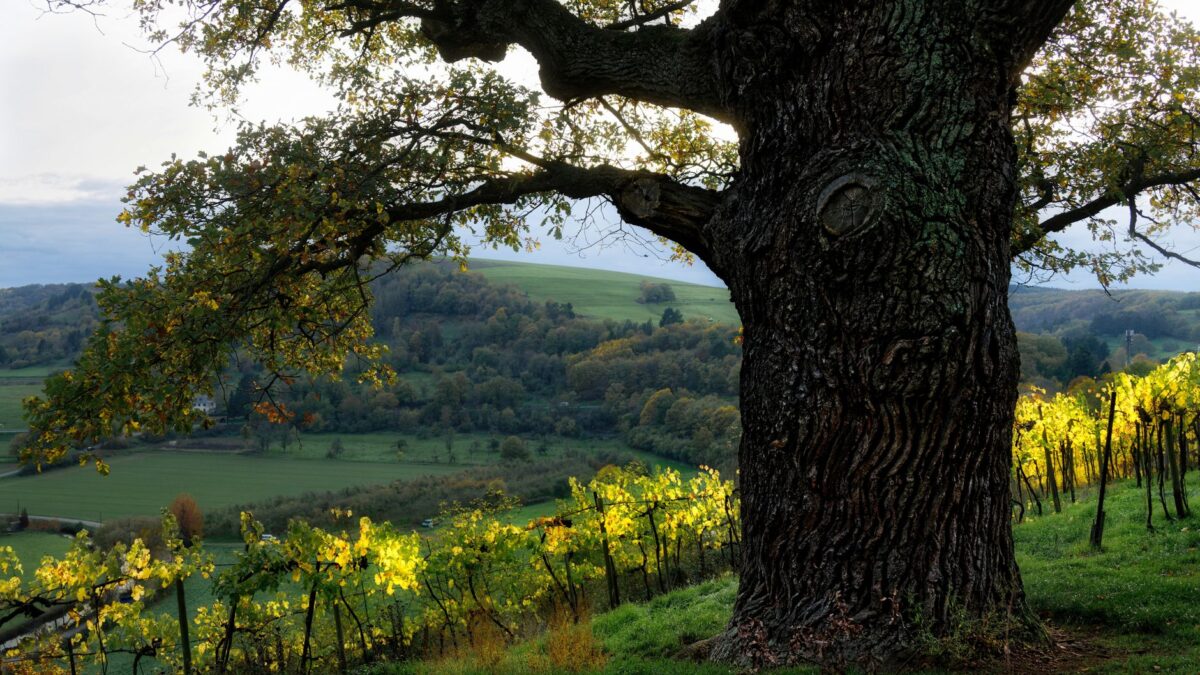
Austria in September 2026: what travelers should know now
Austria in September 2026: Essential updates on transport disruptions, fare hikes, weather, and festivals for travelers visiting Vienna this month.
 Culture & Etiquette
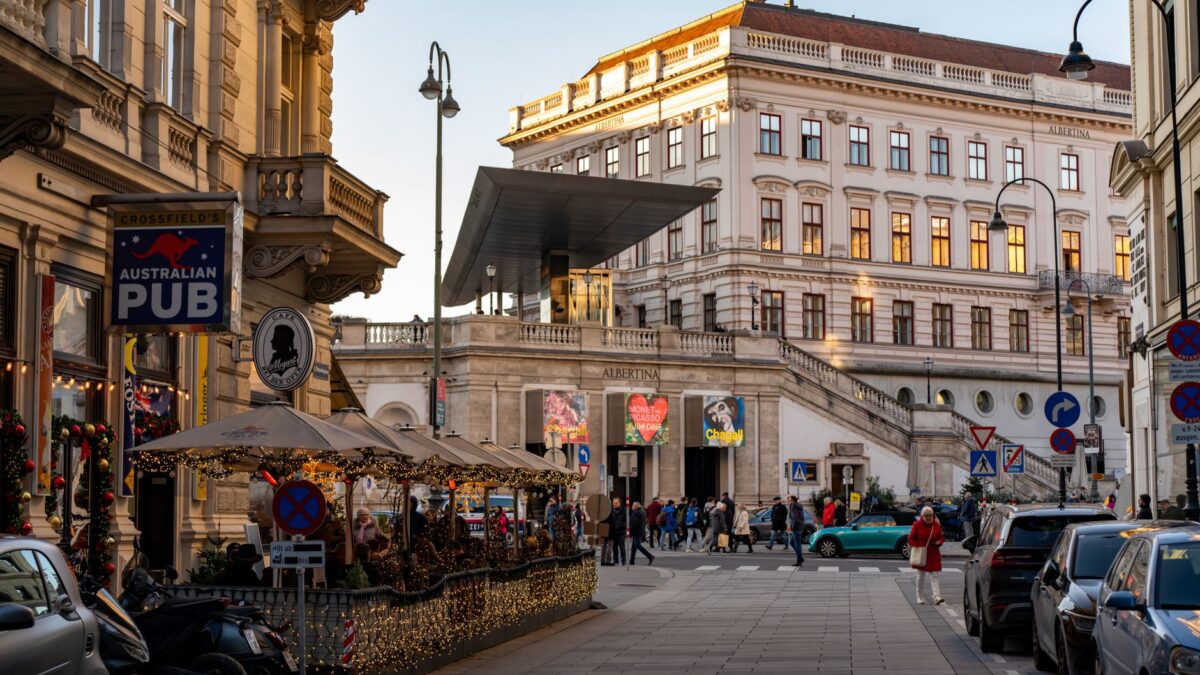
Austria etiquette: the dos and don’ts
Austria etiquette: greetings, tipping, dining, dress & local customs. Felix Gruber's insider guide to being a considerate visitor in Vienna, Austria.
 News & Updates
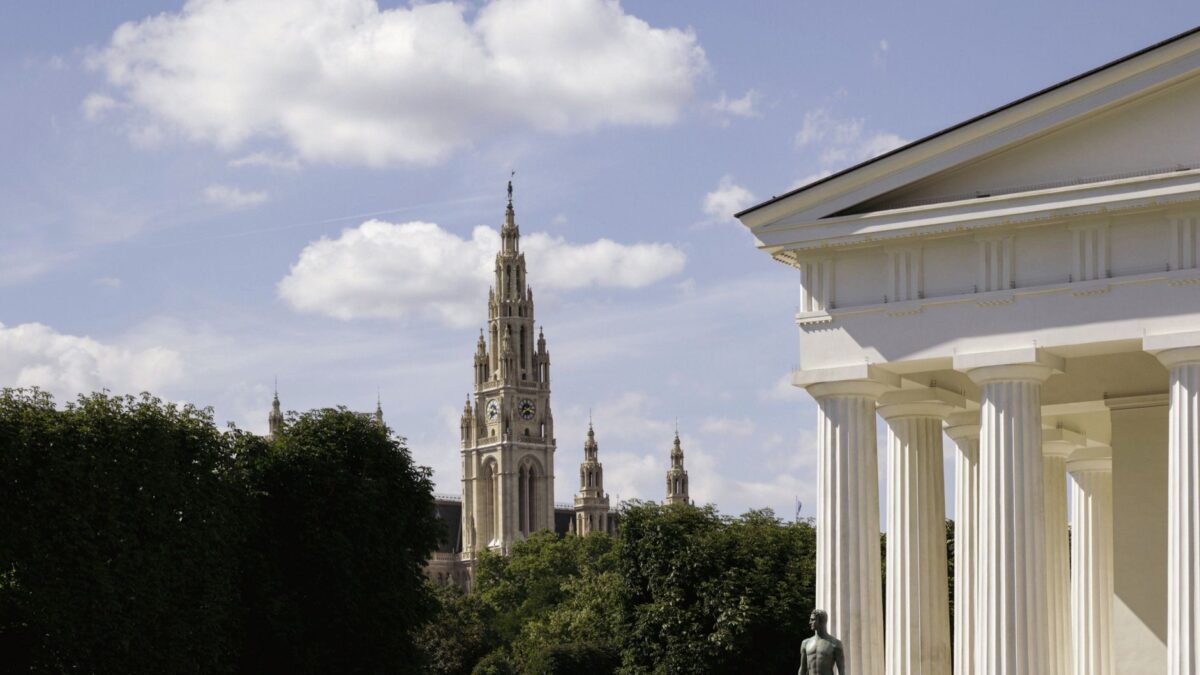
Austria in August 2026: what travelers should know now
Austria in August 2026: Assumption Day closures, heatwave tips, Vienna transit fare hikes, and how to navigate the peak-season crowds as a local.
 Costs & Money
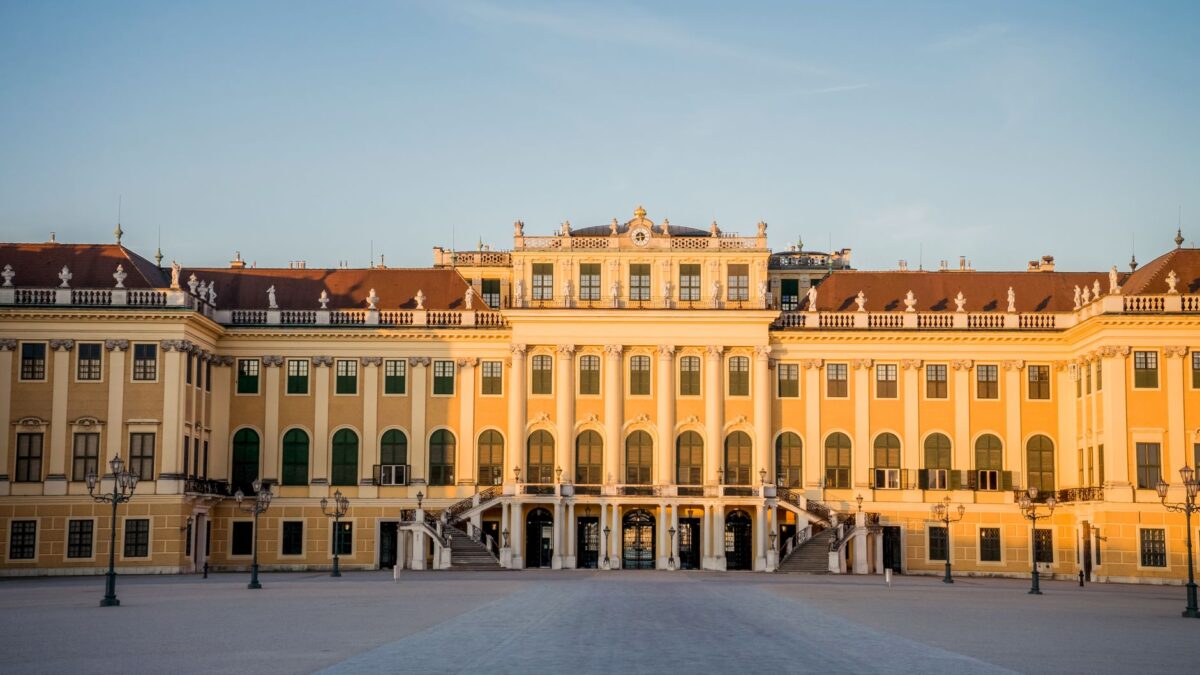
A week in Vienna on a mid-range budget
A realistic week in Vienna on a mid-range budget: day-by-day costs for meals, transit, hotels, and attractions, with 2026 prices and local tips from…
Western Europe
 France
France Travel Podcast with Camille Laurent
The Rhône is the only major French river flowing southward to the Mediterranean, while the Seine, Loire, and Garonne run west to…
 Germany
Germany Travel Podcast with Lena Brandt
The Elbe flows northward through German lowlands and uplands before reaching the North Sea, shaping trade and weather along its course.
 Netherlands
Netherlands Travel Podcast with Sanne de Vries
The Randstad, anchored by Amsterdam, Rotterdam, The Hague and Utrecht, holds most of the country's population, while the north remains less densely…
 Switzerland
Switzerland Travel Podcast with Elena Vogt
The Alps in the south and the Jura in the northwest frame a central plateau of rolling hills, plains and large lakes.